Why Does My Hair Get Frizzy? Causes, Prevention & Salon Solutions
You leave the house with smooth, styled hair—and a few hours later, frizz seems to have taken over. Sound familiar?
Frizzy hair is incredibly common, and while humidity often gets the blame, there’s usually more happening beneath the surface. Your hair’s natural texture, moisture level, styling routine, environmental exposure, and overall condition can all affect how prone it is to frizz.
Understanding what’s causing your frizzy hair is the first step toward making it smoother, healthier, and easier to manage.
What Actually Causes Hair to Frizz?
The outermost layer of each hair strand is called the cuticle. When the cuticle is relatively smooth and properly conditioned, hair tends to reflect light more evenly and appear smoother and shinier.
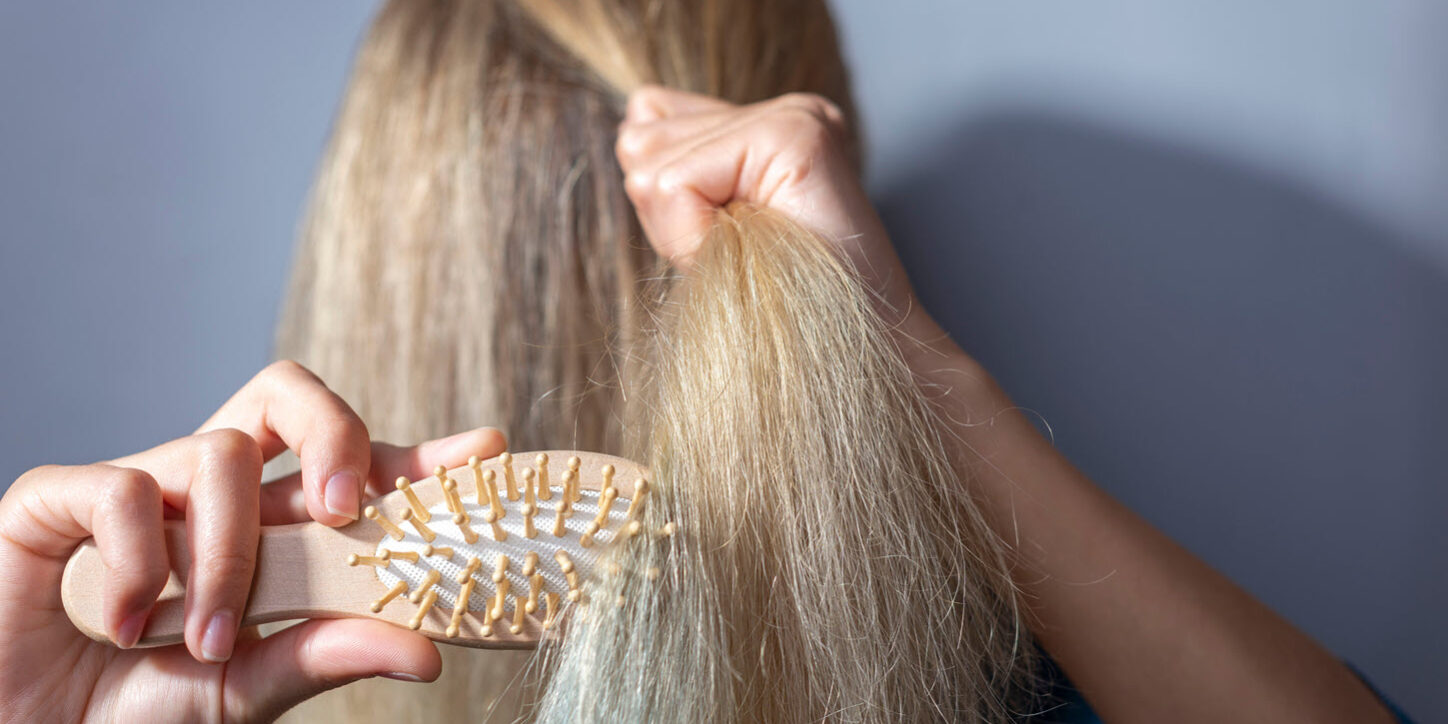
When hair becomes dry or damaged, the cuticle can become rougher. This makes hair more susceptible to moisture changes in the surrounding environment. The result can be strands that swell, separate, and lose their smooth appearance—which we see as frizz.
Some hair types are naturally more prone to frizz than others. Curly and wavy hair, for example, can be more susceptible to dryness because natural oils from the scalp don’t always travel as easily down the entire length of the hair.
Why Humidity Makes Frizzy Hair Worse
There’s a reason a humid day can quickly undo your morning styling.
When hair is porous or dry, moisture from humid air can interact with the hair strand and temporarily change the way it holds its shape. Instead of staying smooth and uniform, individual strands may expand or move in different directions.
This is why improving your hair’s condition and moisture balance can be just as important as using products designed to control humidity.
Dry or Damaged Hair Can Mean More Frizz
If you’ve noticed your hair becoming frizzier over time, damage could be contributing to the problem.
Frequent heat styling, bleaching, coloring, UV exposure, chlorine, and rough handling can weaken the hair and contribute to dryness and breakage. Excessive use of flat irons, curling irons, and high-heat blow-drying can be particularly hard on already-fragile hair.
Split ends and broken strands can also create the appearance of frizz because shorter, damaged pieces don’t lie as smoothly with the rest of your hair.
Your Hair Care Routine Matters
Sometimes small changes to your daily hair care routine can make a noticeable difference.
Start by choosing shampoo and conditioner appropriate for your hair type and condition. Conditioning after shampooing is particularly important for dry or frizz-prone hair because it helps improve manageability and reduce friction.
Be gentle after washing, too. Aggressively rubbing wet hair with a towel can contribute to breakage. Instead, gently blot or wrap your hair to remove excess water.
When detangling, avoid pulling through knots. A wide-tooth comb and a little patience can help minimize unnecessary stress on the hair.
Turn Down the Heat
Your styling tools don’t necessarily have to disappear, but how you use them matters.
Whenever possible, allow your hair to partially air-dry before using a blow dryer. When you do reach for heated styling tools, avoid automatically using the highest temperature setting. Excessive heat can damage the hair and ultimately make frizz more difficult to control.
Using products formulated for heat protection and smoothing can also help you create a polished finish while reducing unnecessary damage.
Can a Salon Treatment Help With Frizzy Hair?
Sometimes at-home hair care only gets you so far. If your hair is consistently dry, damaged, difficult to style, or prone to excessive frizz, professional salon services may help.
Depending on your hair type and condition, your stylist may recommend a professional conditioning treatment, haircut, or another smoothing or strengthening service. Removing dry, split ends can immediately improve the overall appearance of the hair, while professional treatments can help improve softness, manageability, and shine.
The right solution isn’t the same for everyone. Fine hair that becomes frizzy may need a very different approach than thick, curly, color-treated, or highly porous hair. That’s where having a professional stylist evaluate your hair can make a difference.
Smoother Hair Starts With Understanding Your Hair
Frizz isn’t necessarily something you need to “fight.” In many cases, it’s your hair telling you something about its natural texture, moisture needs, or current condition. Once you understand what’s contributing to your frizz, you can build a hair care routine that helps your hair look smoother, healthier, and more manageable without weighing it down.
If you’re tired of dealing with frizzy, dry, or difficult-to-manage hair, the professional stylists at SRG Salon can help you determine what your hair needs. From a fresh haircut to professional hair treatments and personalized recommendations for caring for your hair between visits, we’ll help you find a routine that works for you. Call SRG Salon today to book your hair appointment and take the next step toward smoother, healthier-looking hair.